Best BJJ Gi for Beginners
The best BJJ gis for beginners in 2026. We compare Fuji, Sanabul, Elite Sports, Kingz, and Tatami based on fit, durability, and value for new grapplers.
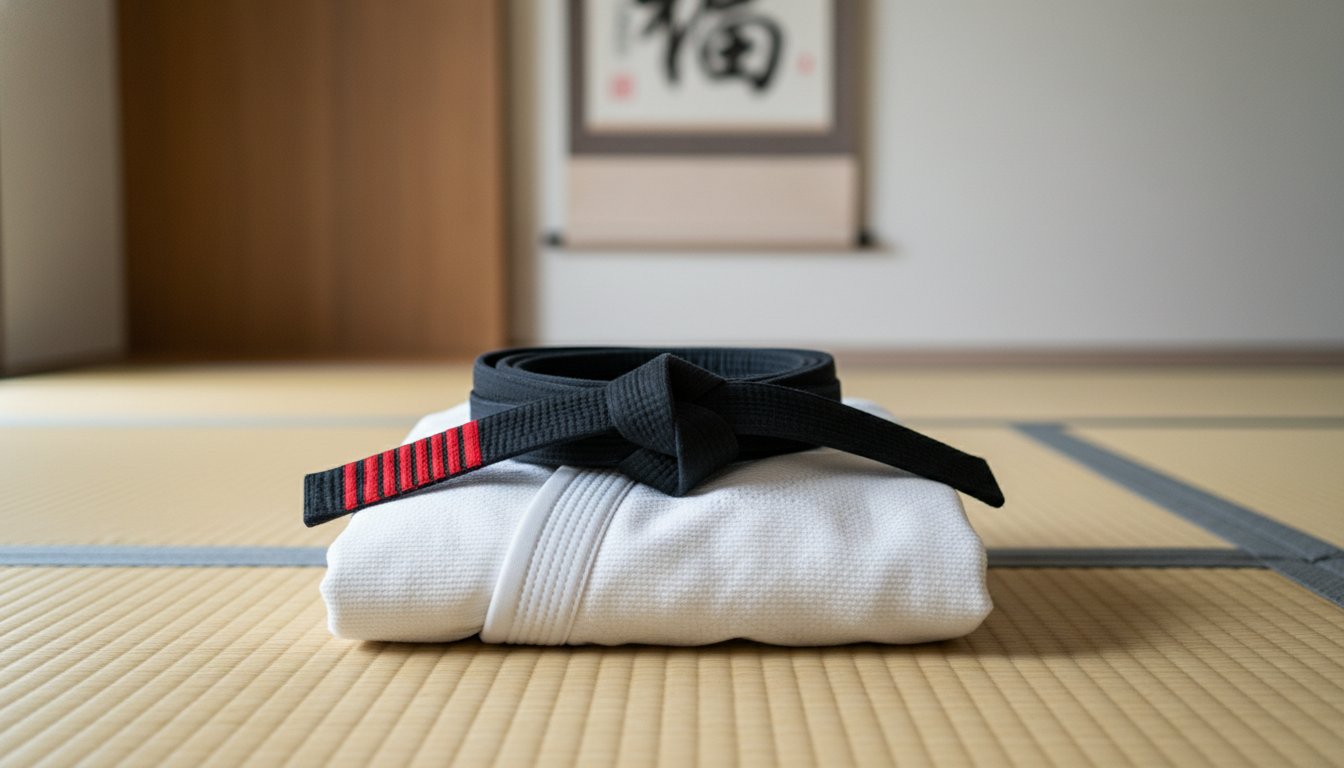
The best BJJ gi for beginners balances durability, fit, and price, because as a new grappler, you do not know yet whether you will train for six months or sixty years. You need a gi that survives the washing machine, fits after shrinkage, and does not fall apart when someone grabs your lapel and yanks. This guide compares the top beginner BJJ gis in 2026 based on what actually matters to new practitioners.
ViralCombatTV is an editorial desk. We compile community consensus, manufacturer spec sheets, and published coaching sources. We do not run an in-house lab or a test fleet. The notes below are a research-desk read of weave, size chart, and wash shrinkage — not a wash-test fleet.
Unique angle here: this desk is the gym-required white vs home-only second gi. One white single-weave is the first-class buy; a second color or a competition cut can wait. Pair it with Best Grappling Dummy for BJJ and MMA: 2026 Buyer’s Guide and What to Wear Under a BJJ Gi.
TL;DR: Top Beginner Gi Picks
Price ranges below are research snapshots from public listings, not live offers.
| Gi | Best For | Weave | Price Range |
|---|---|---|---|
| Fuji All-Around | Best overall beginner gi | Single weave | $80-100 |
| Sanabul Essentials V.2 | Best budget | Single weave | $45-65 |
| Elite Sports Ultra Light | Best under $50 | Pearl weave | $40-55 |
| Kingz The One | Best mid-range | Pearl weave | $90-120 |
| Tatami Estilo Black Label | Best for competition prep | Pearl weave | $100-130 |
Why Your Gi Choice Matters
A BJJ gi is not like a t-shirt where you grab your size and go. Gis vary in weave type, fabric weight, cut, stitching quality, and shrinkage behavior. A poorly made gi:
- Rips at the seams when someone grips your lapel during rolling
- Shrinks unevenly after washing, leaving you with sleeves that are too short and a body that is too wide
- Holds moisture and odor because the fabric quality is poor
- Feels like cardboard because the weave is stiff and never softens
A well-made beginner gi avoids these problems and lasts through the first 1-2 years of training, which is exactly as long as you need before you know enough about grappling to have preferences about your gi.
Understanding Gi Weaves
Single Weave
The lightest standard weave. Single-weave gis are breathable, comfortable in warm training environments, and dry faster than heavier weaves. They are also the least durable, a hard grip on a single-weave lapel stretches the fabric more than heavier weaves.
For beginners, single weave is a solid choice because it is lighter (easier to wash and transport) and more comfortable during the learning phase when you are not yet rolling with the intensity that tests fabric durability.
Pearl Weave
The most popular weave for modern BJJ gis. Pearl weave gets its name from the bumpy texture of the fabric that resembles tiny pearls. It is slightly heavier and more durable than single weave while remaining relatively light and breathable.
Most mid-range and premium gis use pearl weave because it hits the sweet spot between durability, weight, and comfort. If you plan to train multiple times per week and want a gi that lasts, pearl weave is the best choice.
Double Weave
The heaviest and most durable weave. Double-weave gis are thick, stiff, and extremely hard to grip, which is an advantage in competition but a disadvantage in training comfort. They are heavier, hotter, and take longer to dry.
Not recommended for beginners unless you train in a cold environment and want the extra warmth. The added durability is not necessary at the beginner level.
Gold Weave
A discontinued term that some brands still use. Originally a weave type between single and double, most modern gis that claim “gold weave” are actually variations of pearl weave. Do not worry about gold weave as a separate category.
Best BJJ Gis for Beginners: Detailed Reviews
1. Fuji All-Around BJJ Gi, Best Overall for Beginners
Listing check (beginner gi): match A1–A4 (or F1–F4) to the brand chart, not “small/medium,” and confirm the listing is a complete gi with pants — jackets-only SKUs sit on the same Fuji family page.
The Fuji All-Around has been the default beginner gi recommendation in the BJJ community for years, and it continues to earn that position. The single-weave jacket is durable enough for regular training while remaining light and comfortable. The cotton drill pants are sturdy with reinforced stitching at the stress points (knees and crotch).
Fuji’s sizing is among the most consistent in the industry. The size chart is accurate, and the pre-shrinkage is predictable, wash cold and hang dry for minimal shrinkage, or machine dry once for a slight shrink if you are between sizes.
The gi comes with a white belt, which saves the minor expense of buying one separately.
Why beginners like it: The Fuji All-Around just works. It fits predictably, it lasts through a year or more of training, and it is priced reasonably. The simple design is competition-legal everywhere. When BJJ practitioners recommend “just buy a Fuji” to beginners, this is the gi they mean.
Drawbacks: The single-weave jacket will show wear faster than pearl-weave options if you train daily. The collar is softer than premium gis, which makes it easier for opponents to grip. The design options are limited, it is a functional gi, not a fashion statement.
2. Sanabul Essentials V.2, Best Budget
Sanabul has made affordable BJJ gear accessible through Amazon, and the Essentials V.2 is their flagship gi. At $45-65, it is the cheapest gi on this list that is still genuinely functional for training. The preshrunk fabric means less guesswork about sizing after washing.
The lightweight construction is comfortable for training but thinner than the Fuji. The reinforced stitching at the knees and shoulders handles regular training intensity. The gi meets IBJJF competition standards.
Why beginners like it: The price. You can buy a Sanabul for half the cost of a Fuji and still have a functional training gi. If you are testing the waters with BJJ and do not want to spend $100 on a gi you might not use after three months, the Sanabul makes that experiment affordable.
Drawbacks: The fabric is thinner and less substantial than higher-priced gis. Some practitioners report the collar stretching out faster than competitors. The sizing can be inconsistent between production runs, check recent reviews for your specific size. The pants are the weakest part of the gi.
3. Elite Sports Ultra Light BJJ Gi, Best Under $50
Elite Sports competes directly with Sanabul in the budget segment. The Ultra Light uses a pearl weave at a remarkably low price point. It is preshrunk, IBJJF competition-legal, and comes in multiple colors.
The pearl weave at this price is the standout feature, most budget gis use single weave. The pearl weave gives the Elite Sports slightly better durability and grip resistance than similarly priced single-weave competitors.
Why beginners like it: Pearl weave at a budget price. For practitioners who want a slightly more durable weave without spending $90+, this is the best value in the market.
Drawbacks: Quality control is inconsistent. Some production runs are solid, others have stitching issues. The fit can vary between the same size in different colors. Customer service can be slow for returns.
4. Kingz The One, Best Mid-Range
Kingz positions itself as a brand for serious practitioners, and The One gi reflects that. The 450 GSM pearl weave jacket is a meaningful step up in fabric quality from budget options. The ripstop pants are lightweight and durable. The tailored cut provides a cleaner fit than most beginner gis.
The collar is rubber-filled, which makes it harder to grip and more durable than the cotton-filled collars on budget gis. This is a feature that beginners may not notice immediately but will appreciate as their training partners’ grips get stronger.
Why beginners like it: If you are committed to training BJJ regularly and want a gi that will last 2+ years, the Kingz The One is the best value in the mid-range. The fit, fabric, and construction quality are all noticeably better than budget options.
Drawbacks: The price is higher than what many beginners want to spend before they are sure about the sport. The tailored cut means less room for body variation, if you have an unusual body type, the fit may not work for you. Limited color options.
5. Tatami Estilo Black Label, Best for Competition Prep
Tatami is a well-known brand in the BJJ world, and the Estilo Black Label is their competition-oriented gi at an accessible price. The 550 GSM pearl weave jacket is among the most durable on this list. The cut is designed to meet IBJJF competition standards without excess fabric.
The Estilo uses a heavy-duty rubber collar, reinforced seam stitching throughout, and ripstop pants with a reinforced crotch gusset. This gi is built for competition-level intensity.
Why beginners like it: For beginners who know they want to compete, the Estilo prepares them for competition conditions. The heavier weave teaches you to roll with the weight and stiffness of a competition gi from day one.
Drawbacks: Heavier and hotter than lighter gis. The break-in period is longer, the gi feels stiff for the first 5-10 sessions. Not the best choice for hot training environments. The price is at the top of what most beginners want to spend.
Gi Sizing: The Most Confusing Part
BJJ gi sizing uses a letter-number system (A0, A1, A2, A3, A4, A5) that is not standardized between brands. An A2 from Fuji fits differently than an A2 from Sanabul, which fits differently than an A2 from Tatami.
General guidelines:
| Height | Weight | Typical Size |
|---|---|---|
| 5’3” - 5’5” | 120-145 lbs | A1 |
| 5’5” - 5’8” | 145-170 lbs | A2 |
| 5’8” - 5’11” | 170-195 lbs | A3 |
| 5’11” - 6’2” | 195-225 lbs | A4 |
| 6’2”+ | 225+ lbs | A5 |
Always check the specific brand’s size chart. These are approximations only. If you are between sizes, check whether the brand runs large or small, the reviews will tell you.
Some brands offer half-sizes (A1L for tall/lean A1, A2H for heavier-build A2) that accommodate body types that do not fit the standard sizing. Fuji and Kingz are among the brands with these options.
Shrinkage: What to Expect
Every cotton gi shrinks. The question is how much and how to control it:
- Cold wash, hang dry: Minimal shrinkage (1-3%). This preserves the original fit.
- Cold wash, machine dry on low: Moderate shrinkage (3-5%). Useful if the gi is slightly too large.
- Hot wash, machine dry on high: Maximum shrinkage (5-8%). Use this only if the gi is significantly too big. Be aware this is permanent.
Most brands pre-shrink their gis to some degree, but “pre-shrunk” does not mean “will not shrink further.” Expect some shrinkage regardless of the brand’s claims.
How Many Gis Do You Need?
- Training 1-2 times per week: One gi is enough. Wash it after every session and let it dry between training days.
- Training 3-4 times per week: Two gis. Rotate between them so you always have a clean, dry gi.
- Training 5+ times per week: Three gis minimum. Daily training means daily washing, and gis need time to air dry.
Never train in a gi that has not been washed since your last session. The bacteria, sweat, and mat residue that accumulate in the fabric are a direct path to skin infections for you and your training partners.
Gi Care Basics
- Wash cold after every session. Use a sports detergent. Regular detergent with fabric softener can leave residue and reduce the fabric’s moisture-wicking ability.
- Hang dry when possible. The dryer accelerates fabric breakdown and can cause uneven shrinkage.
- Treat stains promptly. Blood and sweat stains set if left untreated. Hydrogen peroxide works on blood stains. Oxyclean works on general discoloration.
- Avoid bleach. Bleach weakens cotton fibers and degrades stitching over time. Use oxygen-based whiteners instead.
- Soak in vinegar monthly. A water-and-white-vinegar soak (4:1 ratio) kills bacteria and reduces odor that regular washing misses.
Gym vs Home, and When to Skip the Buy
Amazon gi cards mix jackets-only SKUs, kids cuts, and judo kimonos. Gym dress code and the brand size chart decide more than the print.
Gym first class: one white complete gi (jacket + pants) in the brand’s A1–A4 (or F1–F4) chart. White is accepted almost everywhere. See What to Wear Under a BJJ Gi for the rash guard under it.
Home dummy or movement work: skip a second gi if you are only drilling on a dummy or doing mobility. A rash guard and shorts are enough off the mats. Buy the second gi when wash-and-dry time cannot keep up with class nights.
When to skip the buy
- Skip a mid-range Kingz or Tatami before your first month if you are still deciding whether you will stay. A Fuji or Sanabul is the honest trial.
- Skip black or fashion colors if the gym or a first tournament expects white.
- Skip a second gi at 1–2 sessions per week. Wash after class and hang dry.
- Skip a jackets-only listing. Confirm the card is a complete gi with pants.
For solo submission reps between classes, see Best Grappling Dummy for BJJ and MMA: 2026 Buyer’s Guide. For striking kit, see Best Heavy Bags for Home Gyms, Space-Efficient Picks and Best Focus Mitts for Boxing & MMA (2026 Buyer’s Guide). Funding note: tagged Amazon links use viralcombattv-20 only. See How We Make Money.
FAQ
How much should I spend on my first BJJ gi?
A good beginner BJJ gi costs between $60 and $120. Below $60, quality drops significantly, thin fabric, poor stitching, and excessive shrinkage. Above $120, you are paying for brand prestige and aesthetics rather than functional improvements.
What weight gi should a beginner buy?
A single-weave gi in the 400-500 GSM range is the best starting point. It is lighter and cooler than a double-weave but durable enough for regular training. Most beginner gis fall in this range.
Should I buy a white, blue, or black gi?
White is the safest choice. It is accepted at every gym and competition. Blue is accepted at most. Black is commonly allowed for training but some traditional gyms and competitions restrict it. If you only buy one gi, buy white.
Can I wear my judo gi for BJJ?
Judo gis work for BJJ training, though they tend to be baggier in the sleeves and skirt, which gives opponents more fabric to grip. Many beginners start with whatever martial arts gi they already own and switch to a BJJ-specific cut later.
Do expensive gis make you better at BJJ?
No. An expensive gi feels nicer and may last longer, but it does not improve your technique. The best investment for improving at BJJ is mat time, not equipment. Buy a functional gi and spend the rest of your budget on training.
Related Reading
- Best Heavy Bags for Home Gyms, Space-Efficient Picks
- Best Jump Rope for Boxing Training: Speed, Weighted, and Budget Picks
- Best Grappling Dummy for BJJ and MMA: 2026 Buyer’s Guide
- Best Focus Mitts for Boxing & MMA (2026 Buyer’s Guide)
- What to Wear Under a BJJ Gi
- Heavy Bag Workout for Beginners: 20-Minute Routine
- Is It Safe to Start BJJ or MMA if You’re Overweight?
- Best Boxing Gloves for Beginners
- Articles hub
- How We Make Money