Is It Safe to Start BJJ or MMA if You're Overweight?
Worried about starting BJJ or MMA while overweight? Here is honest advice on safety, gym culture, gear, and how to get started without injury.
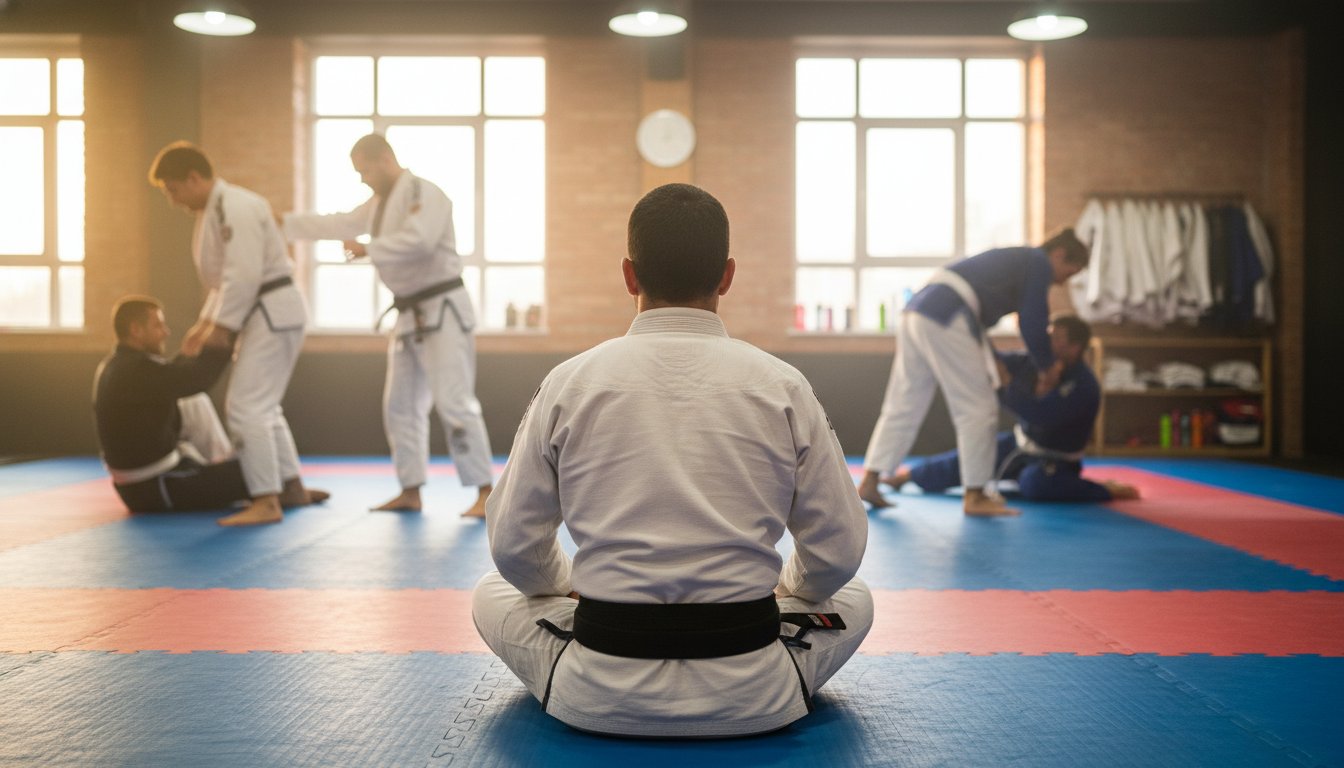
Starting BJJ or MMA while overweight is safe for most people, and it is more common than you might think. The combat sports community includes practitioners of every body type, and weight classes exist precisely because size is a natural variable in these sports. That said, there are real considerations around joint stress, cardio, and finding the right gym environment. This guide addresses those honestly, no false motivation, just practical information to help you start training without unnecessary risk.
TL;DR: The Short Answer
Yes, it is safe to start BJJ or MMA if you are overweight, provided you:
- Get medical clearance from a doctor, especially if you have high blood pressure, joint issues, or other health conditions
- Start with fundamentals or beginner classes, not advanced sparring
- Ramp up intensity gradually over weeks, not days
- Choose a gym with a supportive culture and experienced instructors
- Invest in properly sized gear
Why Overweight Beginners Worry (And Why Most Concerns Are Overblown)
The most common fears about starting combat sports while overweight are:
“I’ll be too out of shape to keep up.” Every beginner is out of shape for grappling. BJJ and MMA cardio is different from running or cycling, it taxes your grip, your core, and your breathing in ways that even fit people are not prepared for. Your training partners who look fit were also gasping for air during their first month.
“I’ll get injured because of my weight.” Joint stress is a legitimate consideration, but the risk is manageable. BJJ in particular is lower-impact than running or basketball. You are training on padded mats, and the movements are controlled. The biggest injury risk for any beginner is going too hard too soon, not body weight.
“People will judge me.” Some will. Most will not. Combat sports gyms tend to respect effort and consistency above appearance. The person who shows up twice a week for a year earns respect regardless of their body type. That said, gym culture varies, and finding the right gym matters.
“I won’t fit in the gear.” This is a solvable problem. BJJ gis, rash guards, and protective gear are available in extended sizes from multiple brands. More on this below.
Medical Considerations: Talk to a Doctor First
This is not a legal disclaimer, it is genuinely important advice. If you are significantly overweight and have not been physically active, see a doctor before starting combat sports. Specifically, ask about:
- Cardiovascular health. BJJ and MMA are high-intensity interval activities. Your heart rate spikes during rolling and sparring. If you have undiagnosed hypertension or cardiac issues, you need to know before you start.
- Joint health. Excess weight increases load on your knees, hips, and ankles. If you have existing joint issues, your doctor can advise on modifications or complementary exercises to strengthen the supporting muscles.
- Breathing. Grappling involves positions where your breathing is compressed (bottom of mount, side control). Extra weight around the midsection can make this more challenging. This is manageable but worth discussing with a medical professional.
- Medications. Some blood pressure and heart medications affect your exercise capacity. Your doctor can advise on safe exertion levels.
Most doctors will clear you to train with the recommendation to start slowly and ramp up gradually, which is exactly what you should do anyway.
Your First Month: How to Start Safely
Week 1-2: Just Show Up
Your only goal for the first two weeks is to attend class and survive. Do not worry about technique retention, winning rolls, or keeping up with the warm-up. Focus on:
- Learning how to move on the mat (forward rolls, backward rolls, hip escapes)
- Getting comfortable with physical contact
- Understanding basic positions (mount, guard, side control)
- Pacing yourself through the class
It is completely normal to need breaks during warm-ups and drilling. Step to the side, catch your breath, and rejoin when you can. No reasonable instructor will penalize you for this.
Week 3-4: Build a Routine
By the third week, you should have a sense of the class structure and the basic movements. Now focus on:
- Attending consistently (aim for two sessions per week)
- Participating in positional sparring if your gym offers it (controlled rolls from specific positions)
- Learning to tap early and often, your ego will take more damage than your body if you let go of the need to “win” in training
- Paying attention to how your body feels the day after training
What to Skip as a Beginner
- Full sparring with experienced practitioners. Wait until your instructor invites you to roll. Most good gyms have a progression from drilling to positional sparring to full rolling.
- Competition-focused classes. These are higher intensity and assume a baseline of fitness and technique you have not built yet.
- Training through pain. Sharp pain, joint pain that does not fade, or shortness of breath that does not resolve with rest are signals to stop and talk to your instructor or doctor.
Physical Advantages of Being a Larger Practitioner
Being overweight in grappling is not purely a disadvantage. Heavier practitioners often have:
- Natural pressure from top positions. In side control, mount, and knee-on-belly, your weight is a legitimate tool. Lighter training partners will feel your pressure, and learning to use your weight effectively is a core grappling skill.
- Harder to sweep. A lower center of gravity and more mass make it more difficult for opponents to off-balance you from guard.
- Grip strength. Larger practitioners often develop strong grips from daily life activities, which translates directly to gi grips and clinch work.
These advantages do not eliminate the conditioning disadvantage, but they mean you are not starting from zero. As your technique develops, your size becomes an asset rather than a liability.
Gear That Fits: Extended Size Options
BJJ Gi
Standard gi sizing (A0-A4) does not work for everyone. Several brands offer extended and husky sizing:
- Fuji: Offers sizes up to A6 and husky cuts (A2H, A3H, etc.) that accommodate wider builds
- Kingz: Extended sizing with generous cuts
- ** 93 Brand:** Offers larger sizes with good quality construction
Check Fuji extended-size BJJ gis on Amazon
When ordering, measure your height and weight and compare to the specific brand’s size chart. Do not assume sizing is consistent between brands, it is not.
Rash Guards and Compression Gear
Rash guards and spats are available in sizes up to 3XL and 4XL from brands like Elite Sports, Sanabul, and Hayabusa. For compression gear, size up if you are between sizes, too-tight compression gear restricts breathing and is uncomfortable during training.
Protective Gear
Knee pads and mouthguards are especially important for overweight beginners. Extra body weight increases knee stress during kneeling drills and guard work. A good pair of knee pads protects your joints from day one.
Conditioning Will Improve, Give It Time
The most dramatic physical changes from BJJ happen in the first 3-6 months. You will notice:
- Improved cardiovascular endurance within 4-6 weeks of consistent training
- Better flexibility and mobility as your body adapts to the movement patterns
- Weight loss as a natural byproduct of regular intense exercise (assuming your diet supports it)
- Increased grip strength and overall functional strength
Do not chase weight loss as the primary goal of BJJ training. If you focus on learning the art and showing up consistently, the physical changes follow. Practitioners who start BJJ “to lose weight” often quit when the scale does not move fast enough. Practitioners who start BJJ “to learn BJJ” tend to stick around.
Finding the Right Gym
Not all gyms are equally welcoming. Here is how to evaluate a gym’s culture:
Green Flags
- The instructor asks about your health history and any limitations during your first visit
- Students of varying body types and fitness levels are visible in class
- Beginners are paired with experienced, patient training partners
- The warm-up is challenging but modifications are accepted
- Nobody mocks or dismisses a student for needing a break
Red Flags
- Instructors push you to train through pain or exhaustion during your first class
- The gym has no beginner or fundamentals program, everyone trains together at the same intensity
- Students are openly competitive and rough with new practitioners
- You feel unwelcome or judged during the trial class
- The instructor dismisses your health concerns
Try at least two or three gyms before committing. Most offer a free trial class. The right gym makes the difference between a lifelong training habit and quitting after a month.
MMA-Specific Considerations
MMA adds striking to the grappling equation, which introduces additional considerations for overweight beginners:
- Impact on joints during striking. Heavy bag work and pad work are lower-impact than running, but repeated punching and kicking do stress the wrists, elbows, shoulders, and hips. Proper form reduces this stress.
- Movement drills. MMA footwork drills involve lateral movement and quick direction changes that load the knees and ankles. Start slow and build up speed as your conditioning improves.
- Sparring. Full-contact MMA sparring is not appropriate for beginners of any size. A good MMA gym will have you drilling technique and working pads for weeks or months before you are invited to spar.
If your primary interest is MMA, consider starting with BJJ or boxing separately before combining them. This lets you build a technical foundation in a more controlled environment.
FAQ
Will I be judged for being overweight at a BJJ gym?
Most BJJ gyms are welcoming to all body types. Grappling sports have weight classes for a reason, people of all sizes train. A good gym culture focuses on effort and consistency, not appearance. Try a trial class to gauge the environment before committing.
What size BJJ gi should I buy if I am overweight?
BJJ gis are sized by a letter-number system (A1-A5) with some brands offering husky or H-sizes for wider builds. Measure your height and weight, then check the brand’s specific sizing chart. Brands like Fuji and Kingz offer extended sizing.
Can overweight people do MMA safely?
Yes, with appropriate progression. Start with fundamentals classes that focus on technique rather than hard sparring. Build your cardiovascular conditioning gradually. Communicate with your coach about any physical limitations. The main risks are the same as for any beginner, overexertion and poor technique.
Should I lose weight before starting BJJ?
No. Waiting to lose weight before starting is one of the most common reasons people never start at all. Start training now and let the weight loss happen as a byproduct of consistent training. Your technique development happens regardless of your weight.
Will my weight advantage go away as I get fitter?
If you lose weight through training, your size advantage over lighter training partners may decrease. But your technical skill, conditioning, and movement quality will improve dramatically. The trade-off is always worth it.