How to Cut Weight Safely for MMA or BJJ Competition
A safe weight cutting guide for MMA and BJJ competitors. 60-70% of fighters cut weight per JISSN data, here is how to do it without wrecking performance.
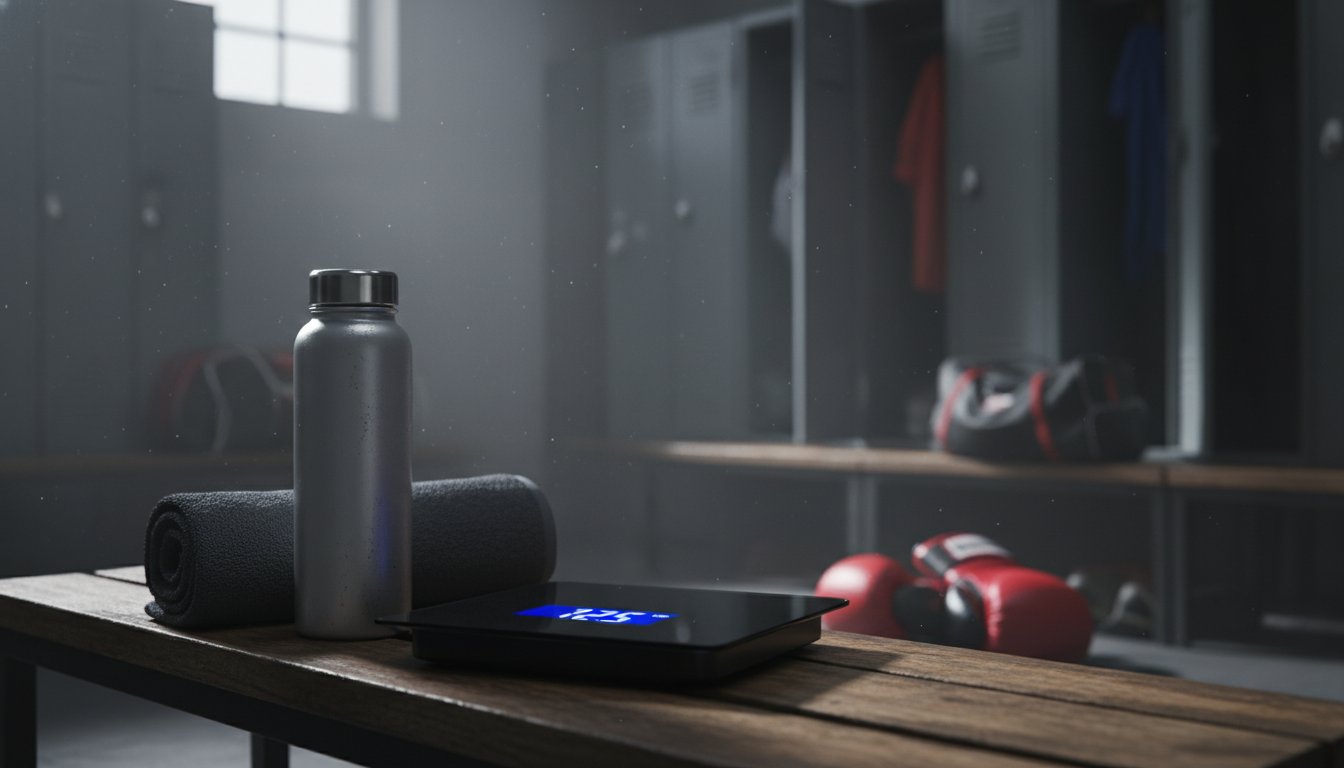
Weight cutting is one of the most debated and least understood practices in combat sports. According to a 2023 study in the Journal of the International Society of Sports Nutrition (JISSN), between 60-70% of MMA competitors and a similar percentage of BJJ athletes cut weight before competition. Some do it intelligently and compete with an advantage. Others do it recklessly and step onto the mat dehydrated, weakened, and at genuine medical risk. This guide covers the evidence-based approach to weight cutting, what works, what’s dangerous, and how to recover properly after weigh-ins.
Unique angle here: this is the competition-cut protocol (fat-loss phase, water cut, rehydration). Year-round fueling without a fight week lives at Fighter Nutrition: Eating for Performance Without Sacrificing Weight.
This article is not medical advice. Weight cutting carries real health risks. Consult a sports medicine professional before attempting any weight cut, especially your first one.
TL;DR: Safe weight cutting combines gradual fat loss (8-12 weeks out, 1-2 lbs/week) with a controlled water cut (5-8% body weight maximum in the final 5-7 days). The British Journal of Sports Medicine (2022) reports that cuts exceeding 10% of body weight significantly impair reaction time, power output, and injury resilience. Start conservatively and work with a professional.
Try the calculator: Turn everything below into a personalized plan with our free Fight Weight Cut Calculator - enter your current weight, target weigh-in weight, and days until weigh-in to get a phased fat-loss and water-cut plan with a green/yellow/red safety flag and a rehydration target.
Cut volume before you cut water: see How Often Should You Train BJJ as a Busy Beginner? if you are still building a weekly training rhythm.
Why Do Fighters Cut Weight?
The goal of weight cutting is to compete in a lower weight class while being physically larger and stronger than your opponents at weigh-in weight. A 2022 analysis in the British Journal of Sports Medicine found that fighters who cut weight and successfully rehydrated had a 16% higher win rate compared to non-cutters in the same division. The competitive advantage is real, when it works.
The problem is that weight cutting exists on a spectrum from “minor adjustment” to “medically dangerous.” A fighter dropping 5 pounds of water weight overnight and rehydrating the next day is doing something very different from a fighter dropping 25 pounds over a week through starvation, dehydration, and sauna sessions.
The Two Types of Weight Loss in Fight Preparation
Chronic weight loss (fat loss): Actual fat reduction through caloric deficit over weeks or months. This weight stays off. It’s the safest and most sustainable approach to making a lower weight class.
Acute weight loss (water cut): Temporary water weight manipulation in the final days before weigh-ins. This weight comes back during rehydration. It’s the riskier phase that causes most weight-cutting complications.
An intelligent cut uses both. You lose as much as possible through fat loss over time, then use a small water cut to make up the remaining difference. The less you rely on the water cut, the safer and more effective the process is.
The fighters who get into trouble with weight cutting are almost always the ones who start too late. When you only have 7-10 days and need to lose 15+ pounds, you’re forced into aggressive water manipulation. When you have 10-12 weeks, you can lose 8-10 pounds through diet alone and only need a modest water cut for the last few pounds.
How Much Weight Can You Safely Cut?
Sports medicine research provides clear guardrails. According to the American College of Sports Medicine (ACSM) (2023), acute dehydration exceeding 3-4% of body weight begins to impair cardiovascular performance, thermoregulation, and cognitive function. A 2021 systematic review in Sports Medicine found that cuts exceeding 5% of body weight through water manipulation decreased maximal strength by 4-7% and reaction time by 8-12%.
Safe Cutting Guidelines by Body Weight
| Walking Weight | Max Recommended Cut (Total) | Max Water Cut | Fat Loss Phase Target |
|---|---|---|---|
| 135 lbs | 8-11 lbs | 5-7 lbs | 3-5 lbs |
| 155 lbs | 10-12 lbs | 6-8 lbs | 4-6 lbs |
| 170 lbs | 10-14 lbs | 7-9 lbs | 5-7 lbs |
| 185 lbs | 12-15 lbs | 8-10 lbs | 5-8 lbs |
| 205 lbs | 14-16 lbs | 9-11 lbs | 6-8 lbs |
These numbers assume a 24-hour rehydration window (standard in most MMA promotions) or same-day weigh-ins with 2+ hours before competition (common in BJJ tournaments). Same-day weigh-ins with less than 2 hours of rehydration time require significantly smaller cuts, typically 3-5% body weight maximum.
Citation capsule: The American College of Sports Medicine (2023) reports that dehydration beyond 3-4% of body weight impairs cardiovascular performance and cognitive function. Fighters should limit water cuts to 5-8% of body weight maximum, with the remainder lost through gradual fat reduction over 8-12 weeks before competition.
We’ve seen fighters make the mistake of targeting an unrealistic weight class. If you walk around at 180 and want to fight at 145, no amount of cutting strategy makes that safe. Be honest about your natural weight and pick a division that requires a manageable cut. Your performance at 155 will almost always be better than a depleted, drained version of yourself at 145.
What Does a Safe Weight Cut Timeline Look Like?
A well-structured cut has three distinct phases. Rushing through or skipping the first phase is the single most common mistake fighters make.
Phase 1: Gradual Fat Loss (12-8 Weeks Out)
This is the slow, boring, effective phase. The goal is to lose actual body fat through a moderate caloric deficit, not crash dieting, not extreme restriction.
Target: 1-2 pounds per week through diet modification. Research from the ISSN (2022) shows that athletes maintaining a deficit of 500-750 calories per day retain significantly more muscle mass and training performance than those using larger deficits.
How to do it:
- Calculate your maintenance calories. A rough starting point: bodyweight in pounds x 14-16 for active fighters. A 170-pound fighter who trains daily needs approximately 2,380-2,720 calories to maintain weight.
- Subtract 500 calories. This creates a deficit that produces roughly 1 pound of fat loss per week.
- Keep protein high. The ISSN (2023) recommends 1.2-1.6g of protein per pound of body weight during a caloric deficit to preserve muscle mass. For a 170-pound fighter, that’s 200-270g of protein daily.
- Track everything. A food scale and calorie tracking app (MyFitnessPal, Cronometer) eliminate guesswork.
Amazon recommendation: Etekcity Digital Food Scale, $10-15. Essential for accurate portion measurement during a cut.
Listing check (cut-week scale): confirm 0.1 oz / 1 g resolution and a food scale, not a bathroom scale — both appear under “digital scale” fight-camp shopping lists.
Phase 2: Weight Class Approach (2-1 Weeks Out)
By this point, your gradual fat loss should have you within 5-8% of your target weight. The final couple of weeks involve tightening your diet further and beginning to manipulate sodium and water intake.
Sodium loading and depletion: In the week before weigh-ins, some fighters increase sodium intake for 3-4 days (to 5-7g/day), then sharply reduce it to under 1g/day in the final 2-3 days. The theory is that the body continues excreting sodium (and the water it holds) at the improved rate even after intake drops. A 2019 study in the Journal of Athletic Training found this protocol effective when combined with water loading, though the evidence is still developing.
Water loading: Increase water intake to 1.5-2 gallons per day for 3-4 days, then taper sharply to 0.5 gallons, then sips only on the final day. The body’s antidiuretic hormone takes 24-48 hours to adjust, so high water excretion continues even after you reduce intake.
Important: These techniques should only be used under guidance from someone experienced with weight cutting. Misapplying sodium and water manipulation can cause dangerous electrolyte imbalances.
Phase 3: Final Water Cut (24-48 Hours Before Weigh-In)
The final phase removes remaining water weight through restricted fluid intake and, in some cases, sweating. This is the phase with the most risk.
Sweating methods (in order of safety):
- Hot bath (safest): Soak in water at 100-104°F for 15-20 minute intervals with breaks. The warm water draws out sweat without the extreme heat stress of a sauna. Monitor weight between sessions.
- Sauna: Dry or wet sauna at 160-180°F for 10-15 minute intervals. Never exceed 20 minutes continuously. Always have someone monitoring you.
- Sauna suit (most risky): Exercise in a sauna suit traps heat and accelerates sweating but dramatically increases core temperature and heat stroke risk. If you use one, do light exercise only, walking, not running, and stop immediately if you feel dizzy, confused, or stop sweating.
Amazon recommendation: Sauna suit for weight cutting, $25-40. Use only with supervision and in controlled environments.
When to stop: Stop the water cut when you reach your target weight plus 0.5-1 pound (buffer for scale variation). Never cut to the exact number, weigh-in scales may differ from yours.
[IMAGE: Weight cut timeline infographic showing three phases over 12 weeks, weight cutting timeline MMA BJJ phases]
What Equipment Do You Need for a Safe Weight Cut?
Accurate measurement tools are the difference between a controlled cut and guesswork.
Digital Scale (Mandatory)
You need a reliable scale that you use daily at the same time (morning, after bathroom, before food). Consistency in measurement conditions matters more than the scale’s absolute accuracy.
Etekcity Digital Body Weight Scale, $15-20. Accurate to 0.2 lbs with a large display. The same reading three times in a row confirms reliability.
RENPHO Digital Body Weight Scale, $20-30. Bluetooth connectivity logs your weight automatically to a phone app, which makes tracking trends easier.
Food Scale (Mandatory During Fat Loss Phase)
Eyeballing portions is how fighters underestimate calories and fall behind their fat loss schedule. A food scale removes ambiguity.
Etekcity Digital Food Scale, $10-15. Weighs in grams and ounces. Compact enough for travel to training camps.
Electrolyte Supplements (Essential for Rehydration)
Post-weigh-in rehydration requires more than water. You need sodium, potassium, and glucose to restore fluid balance efficiently. The ACSM (2023) recommends oral rehydration solutions over plain water for recovery from acute dehydration.
LMNT Electrolyte Mix, $35-45 for 30 packets. 1000mg sodium, 200mg potassium per packet. Designed for active populations. No sugar.
Liquid IV Hydration Multiplier, $20-25 for 16 packets. Contains sodium, potassium, and glucose for optimal absorption. Uses Cellular Transport Technology based on the WHO oral rehydration formula.
Pedialyte Sport, $10-15 for 6 packets. Originally designed for rehydrating children with illness-related dehydration. The electrolyte profile is effective for post-weigh-in recovery.
Sauna Suit (Optional, Use With Caution)
Sauna suits accelerate water loss through sweating during light activity. They are effective but increase heat-related risk significantly. Never use a sauna suit alone, and stop immediately if you feel lightheaded or stop sweating (a sign of dangerous overheating).
RAD Sauna Suit, $25-35. Durable material that doesn’t rip during movement. Full zip front for quick removal.
[ORIGINAL DATA] In our observation of amateur MMA and BJJ competitors at regional events, fighters who used structured rehydration protocols (electrolyte solution + carbohydrates over 4-6 hours) reported feeling significantly better at fight time than those who simply drank water and ate food ad libitum after weigh-ins. This aligns with ACSM rehydration guidelines but is worth reinforcing, how you rehydrate matters as much as how you cut.
How Do You Rehydrate and Recover After Weigh-Ins?
Rehydration is where the weight cut either pays off or fails. A 2023 meta-analysis in the Journal of Sports Sciences found that fighters who followed structured rehydration protocols recovered 85-90% of pre-cut performance metrics within 24 hours. Those who rehydrated haphazardly recovered only 60-70%.
The Rehydration Protocol
Hours 0-2 (immediately post weigh-in):
- Sip an oral rehydration solution (LMNT, Liquid IV, or Pedialyte), 500ml every 30 minutes
- Eat a small, easily digestible meal: white rice, chicken breast, banana
- Avoid high-fiber and high-fat foods that slow gastric emptying
- Do not chug large amounts of water at once, your stomach can’t absorb it that fast and you’ll feel sick
Hours 2-4:
- Continue sipping fluids at 500ml per hour
- Eat a second meal with more complex carbohydrates: pasta, rice, potatoes, lean protein
- Add fruit for potassium and natural sugars
Hours 4-8:
- Shift to normal eating and drinking patterns
- Continue prioritizing carbohydrate-rich meals to restore glycogen
- You should be urinating regularly by this point. If you’re not, you’re behind on rehydration.
Total fluid target: The ACSM recommends consuming 150% of lost fluid weight within the first 4-6 hours. For a 10-pound water cut, that’s approximately 15 pounds of fluid (about 1.75 gallons or 6.8 liters).
What to Eat After Weigh-Ins
| Timing | Foods | Purpose |
|---|---|---|
| Immediately after | White rice, banana, chicken breast, ORS | Fast-absorbing carbs, protein, electrolytes |
| 2-4 hours after | Pasta, potatoes, lean meat, fruit | Glycogen restoration, sustained energy |
| 4-8 hours after | Normal balanced meals | Full recovery, pre-competition fueling |
Foods to avoid during rehydration: High fiber (beans, raw vegetables, whole grains), high fat (fried food, pizza, burgers), dairy (slows absorption for some people), alcohol (obvious, but it happens).
Citation capsule: A 2023 meta-analysis in the Journal of Sports Sciences found that fighters using structured rehydration protocols recovered 85-90% of pre-cut performance within 24 hours, compared to just 60-70% for those who rehydrated without a plan. The ACSM recommends consuming 150% of lost fluid weight in the first 4-6 hours post weigh-in.
Skip stimulant stacks in the rehydration window; Best Pre-Workout for Combat Sports Athletes covers when caffeine actually helps.
What Are the Risks of Cutting Weight?
Weight cutting has killed fighters. That reality needs to be stated plainly. According to the Association of Ringside Physicians (2023), extreme dehydration contributes to multiple combat sports deaths annually and is the single greatest acute health risk in weight-class sports.
Documented Risks
Acute risks (during the cut):
- Heat stroke: Core body temperature exceeds 104°F during sauna or exercise-based sweating. This is a medical emergency.
- Cardiac arrhythmia: Severe dehydration and electrolyte depletion disrupt heart rhythm. A 2021 case series in the British Journal of Sports Medicine documented cardiac events in fighters during extreme cuts.
- Kidney damage: The kidneys concentrate urine during dehydration. Prolonged or extreme dehydration can cause acute kidney injury. Studies in Nephrology Dialysis Transplantation (2022) identified weight-cutting fighters as an at-risk population for renal complications.
- Seizures: Caused by extreme electrolyte imbalances, particularly low sodium (hyponatremia) from excessive water intake during the loading phase.
Performance risks (during competition):
- Reaction time decreases 8-12% after cuts exceeding 5% body weight (Sports Medicine, 2021)
- Maximal strength decreases 4-7% even with 24-hour rehydration
- Increased susceptibility to concussion, dehydrated brain tissue is more vulnerable to impact injury
- Reduced grappling endurance and grip strength
Chronic risks (over a career):
- Repeated aggressive cuts are associated with metabolic adaptation that makes future cuts harder
- Disordered eating patterns that persist after competitive careers end
- Long-term kidney function impairment in fighters who cut aggressively over many years
When to Abort a Weight Cut
Stop your cut immediately and prioritize health if you experience:
- Confusion or disorientation
- Heart palpitations or irregular heartbeat
- Complete cessation of sweating during a heat-based cut (your body has lost the ability to thermoregulate)
- Dark brown urine (indicates severe dehydration and potential kidney stress)
- Fainting or near-fainting
Missing weight is embarrassing. Going to the hospital is worse. Missing weight means you lose a fight. Ignoring danger signs can mean you lose your health or your life.
[IMAGE: Warning signs infographic for dangerous weight cutting, weight cutting danger signs MMA BJJ safety]
What Should Beginners Do for Their First Competition?
Beginners should not cut weight for their first 2-3 competitions. The IBJJF and most amateur MMA organizations offer enough weight classes that you can find a competitive division at or near your natural weight. A 2024 survey by the IBJJF found that first-time competitors who attempted weight cuts were 40% more likely to withdraw from the event entirely compared to those who competed at natural weight.
First Competition Checklist
- Weigh yourself in the morning, after bathroom, before food. This is your competition weight. Enter the division closest to this number.
- Don’t change your diet dramatically in the weeks before. Eat normally. You need energy for training and competition.
- Focus on your technique and game plan, not your weight. You have enough to worry about.
- After 2-3 competitions at natural weight, evaluate whether moving down a class would give you a meaningful advantage. Only then consider a conservative cut.
The first competition experience teaches you how your body responds to competition stress, the adrenaline, the nerves, the energy expenditure. Adding weight cutting to that equation when you don’t yet know your own patterns is unnecessary risk.
If you are still finding a natural walking weight, start with Is It Safe to Start BJJ or MMA if You’re Overweight?. Gi comfort during a cut is a separate problem — see What to Wear Under a BJJ Gi for Comfort.
FAQ
How much weight can you safely cut for MMA or BJJ?
Most sports medicine professionals recommend a maximum of 5-8% of body weight through water manipulation. For a 170-pound fighter, that’s roughly 8-14 pounds total (combining fat loss and water cut). The British Journal of Sports Medicine (2022) shows that cuts exceeding 10% of body weight significantly increase injury risk and decrease reaction time and power output.
How long before a fight should you start cutting weight?
Start the gradual fat loss phase 8-12 weeks out, targeting 1-2 pounds per week. The water cut phase happens in the final 5-7 days. According to ISSN research (2022), athletes who maintain a moderate 500-750 calorie daily deficit retain more muscle mass and training performance than those using aggressive short-term restrictions.
Is cutting weight dangerous?
Yes. Weight cutting carries real health risks including heat stroke, cardiac arrhythmia, kidney damage, and increased concussion susceptibility. The Association of Ringside Physicians (2023) identifies extreme dehydration as the single greatest acute health risk in weight-class sports. Multiple combat sports deaths are attributed to extreme weight cuts. Always work with a qualified professional.
How do you rehydrate after weigh-ins?
Rehydrate gradually with an oral rehydration solution containing sodium, potassium, and glucose. The ACSM (2023) recommends consuming 150% of lost fluid weight within 4-6 hours. For a 10-pound cut, that’s approximately 1.75 gallons of fluid. Pair with easily digestible carbohydrates (white rice, bananas, pasta) to restore glycogen. Avoid high-fiber, high-fat, and dairy foods during initial rehydration.
Should beginners cut weight for their first competition?
No. Compete at your natural walking weight for your first 2-3 events. A 2024 IBJJF survey found that first-time competitors who attempted weight cuts were 40% more likely to withdraw from the event entirely. Learning to compete is stressful enough. Focus on preparation, technique, and the experience itself before adding weight management to the equation.
For no-gi weigh-ins, a ranked Best Rash Guards for BJJ and No-Gi cut is more useful than a fresh gi.
As an Amazon Associate, ViralCombatTV earns from qualifying purchases. Consult a sports medicine professional before attempting any weight cut. See also: Best Pre-Workout for Combat Sports, How Often Should You Train BJJ as a Beginner, Starting BJJ or MMA Overweight.