Strength Training for Fighters: What Actually Helps in the Ring
Not all gym work translates to fighting performance. Here is what does and what is wasted effort.
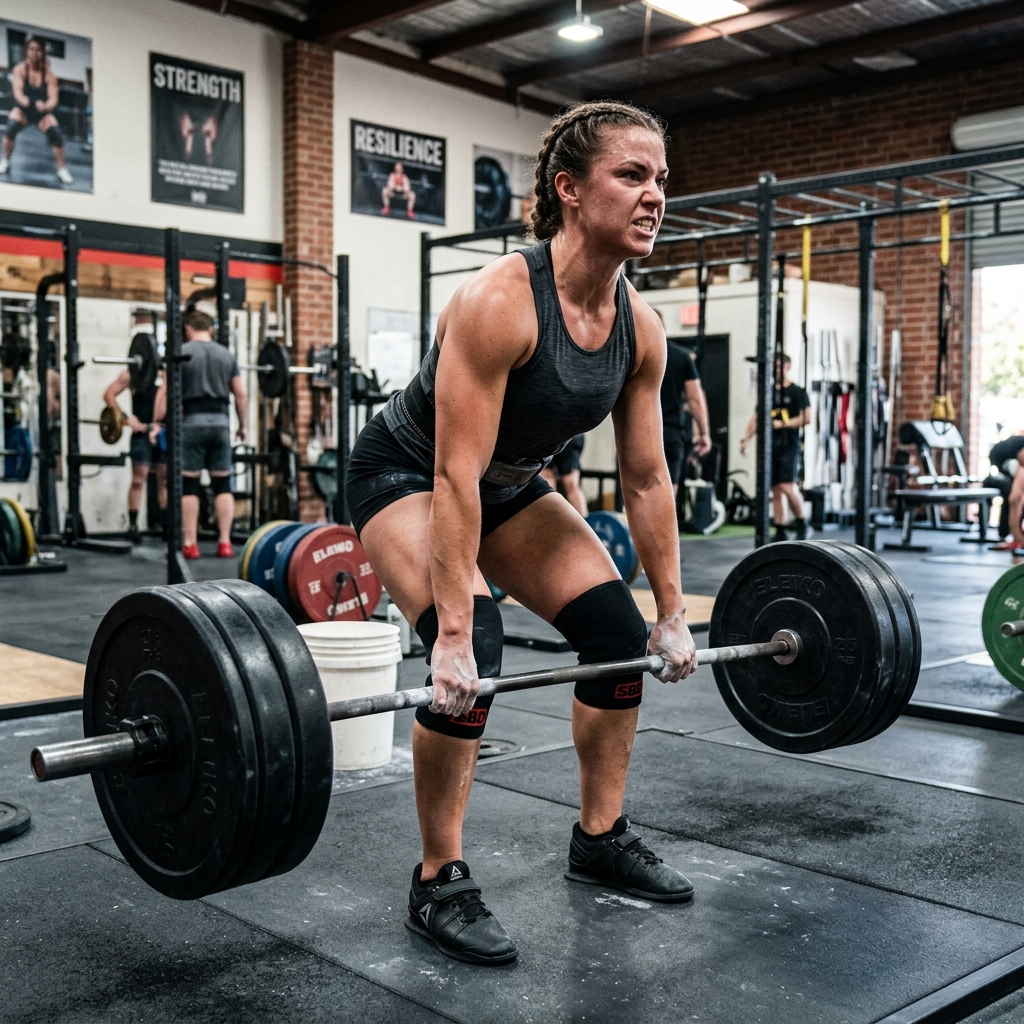
Fighters need strength that transfers to punching power, grappling leverage, clinch control, and explosive movement. Bodybuilding-style isolation exercises (bicep curls, tricep kickbacks) build muscle that looks impressive but adds weight without proportional functional benefit.
ViralCombatTV is an editorial desk. We compile community consensus, manufacturer spec sheets, and published coaching sources. We do not run an in-house lab or a test fleet. The notes below are a research-desk read of compound-lift transfer — not a gym-diary.
Unique angle here: this is the compound-lift transfer desk, not a bodybuilding split or the fight-cardio template. Energy-system work lives on How to Improve Cardio for Fighting. Combination volume sits on Heavy Bag Drills and Combinations for Beginners. Movement economy is Footwork Drills to Improve Striking in MMA. Tight-arc hooks sit on How to Throw Tight Hooks Without Telegraphing.
Price ranges below are research snapshots from public listings, not live offers.
The Goal: Functional Power, Not Bodybuilding Mass
Coaching consensus treats strength as support for skill work, not a second sport. Two to three compound sessions leave recovery for bag nights and live rounds. Five-day bodybuilding splits spend that recovery on isolation volume that does not show up in a clinch or a hip-driven cross.
The Exercises That Matter
1. Deadlift
The king of posterior chain development. Hip extension power is the engine behind punching, kicking, and wrestling. Every explosive movement in combat sports starts with the hips.
For more on this topic, see our guide on Best Pre-Workout for Combat Sports Athletes.
2. Squat (Back or Front)
Develops leg drive for takedowns, clinch work, level changes, and maintaining a strong base. Front squats have particular value because they build the bracing strength needed in the clinch.
3. Pull-Ups / Chin-Ups
Grip and pulling strength directly translates to clinch control, gi grips in BJJ, and guillotine/head-and-arm chokes. Weighted pull-ups are one of the most fight-specific exercises.
4. Turkish Get-Up
Builds full-body coordination, shoulder stability, and the ability to generate force from disadvantaged positions (like getting up from bottom position in MMA).
5. Medicine Ball Throws
Explosive rotational throws mimic the kinetic chain of punching. Slam balls develop the full-body power transfer from legs through core to arms.
6. Farmer’s Walks
Grip endurance, core stability, and mental toughness. Carry heavy dumbbells or kettlebells for distance. Your forearms and core will thank you during late-round grappling exchanges.
For more on this topic, see our guide on Heavy Bag Workout for Beginners: 20-Minute Routine.
Listing check (fighter strength cart): confirm a barbell or kettlebell listing is a compound-lift tool, not a “fighter strength” cable-tower or isolation-machine bundle — medicine-ball throws and slam-ball carousels share the same ring-power search card.
What to Avoid
- Bench press as a primary exercise: Pushes the shoulders forward and tightens the chest, reducing punching speed and range of motion. Use sparingly.
- High-rep isolation work: Adds non-functional mass and burns recovery capacity.
- Training to failure: Fighters need to preserve recovery for skill training. Leave 1-2 reps in the tank.
Programming
2-3 strength sessions per week during camp, focusing on compound lifts at 3-5 reps for strength. Reduce to 1-2 sessions during fight week. Strength training supports skill training; it should never replace it.
A research-desk read of common camp templates keeps hard lifts off hard sparring days and off the Friday anaerobic protocol on How to Improve Cardio for Fighting. If the session is a deadlift and a pull-up, the bag night is technique from Heavy Bag Drills and Combinations for Beginners, not another max-effort set.
Gym vs Home, and When to Skip the Buy
Transfer is a barbell-and-recovery problem, not a cable-tower problem. Coaching write-ups treat a squat, a hinge, and a pull as enough; a “fighter strength” machine bundle does not replace hip extension.
Gym barbell floor: use the house bar. Film one set of 3–5 that leaves a rep in the tank. Then hang combinations or footwork on a different day — Footwork Drills to Improve Striking in MMA and How to Throw Tight Hooks Without Telegraphing are skill pages, not extra lift volume.
Home kettlebell or bodyweight: skip a home cable tower if a kettlebell hinge, a goblet squat, and a pull-up bar already cover the six lifts above. A slam-ball is optional. A second isolation machine is not.
When to skip the buy
- Skip a “fighter strength” cable-tower or isolation-machine bundle if a barbell or kettlebell already covers hinge, squat, and carry.
- Skip a slam-ball if a medicine ball you already own can be thrown into a wall or the grass.
- Skip stim pre-workout sold as a strength stack. The lift is the product; the pre-workout page is a different cart.
- Skip stacking a heavy squat on a hard interval day from How to Improve Cardio for Fighting. Recovery, not the cart, is the limiter.
This page does not add a shopping cart. Funding note for the rest of the desk: tagged Amazon links use viralcombattv-20 only. See How We Make Money.