How to Wrap Your Hands for Boxing (Step-by-Step with Common Mistakes)
Hand wraps protect your wrists, knuckles, and the small bones of your hand from fractures. Here is the correct technique.
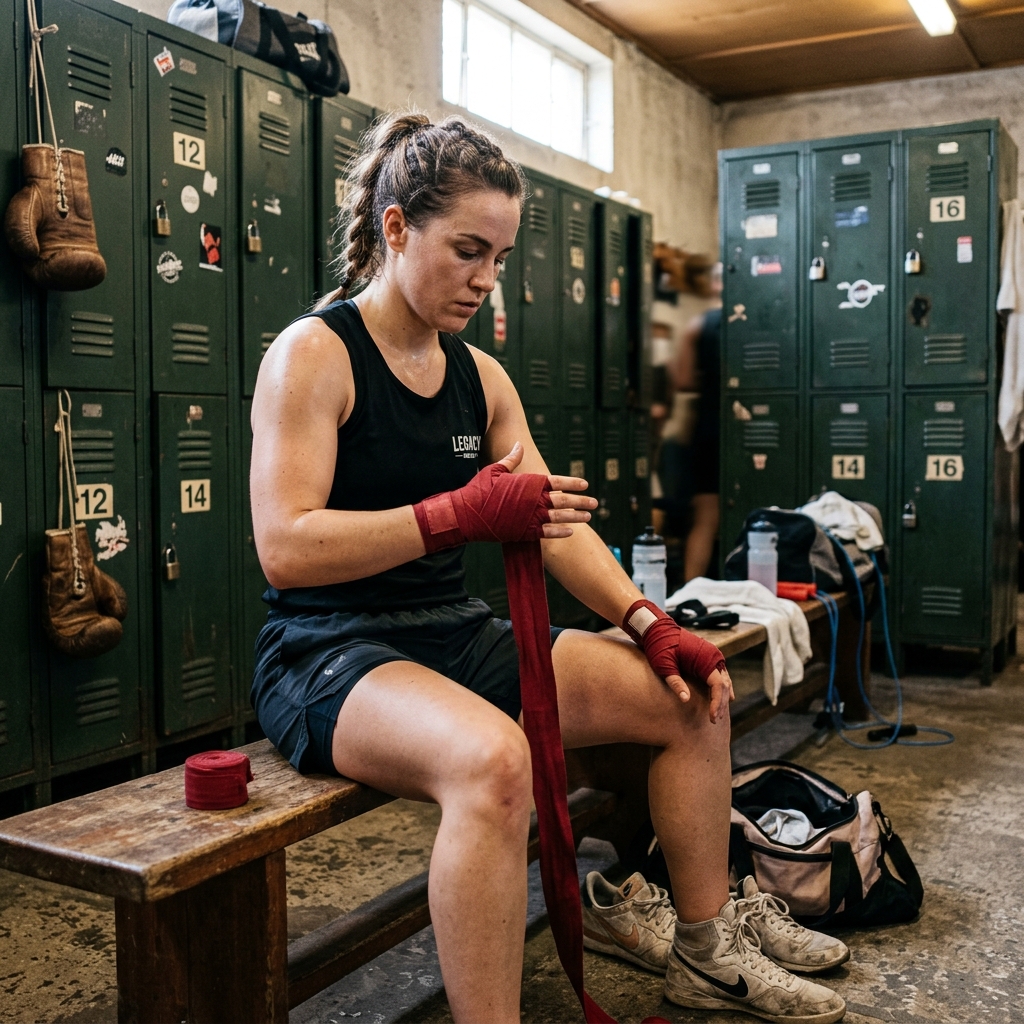
The human hand contains 27 small bones. A boxing glove alone does not protect them. The glove primarily protects the person you are hitting. Hand wraps protect you by stabilizing the wrist, compressing the metacarpals, padding the knuckles, and absorbing sweat so the glove lasts longer.
ViralCombatTV is an editorial desk. We compile community consensus, manufacturer spec sheets, and published coaching sources. We do not run an in-house lab or a test fleet. The notes below are a research-desk read of wrap length and weave method — not a gym-tape diary.
Unique angle here: this is the wrap-length-and-method desk, not the glove-ounce checklist. 180-inch Mexican-style elastic is the adult default; gel knuckle sleeves and 120-inch youth wraps are a different SKU. Pair the first pair with Boxing Gloves Buying Guide for Beginners, hang them next to the budget kit on MMA Home Gym Setup on a Budget, and run solo bag nights from MMA Home Gym Setup Guide: Training Solo at Home. Gi base layers are a different problem — What to Wear Under a BJJ Gi for Comfort.
Price ranges below are research snapshots from public listings, not live offers.
Why Hand Wraps Matter
The human hand contains 27 small bones. A boxing glove alone does not protect them. The glove primarily protects the person you are hitting. Hand wraps protect YOU by:
- Stabilizing the wrist joint to prevent hyperextension
- Compressing the metacarpal bones (hand bones) so they absorb impact as a unit
- Padding the knuckles
- Absorbing sweat (extending glove life)
What Length and Fabric to Buy
Adult bag and sparring wraps are sold by length and stretch. Marketplace cards mix 108-inch kids wraps, 180-inch Mexican-style elastic, traditional cotton, and gel knuckle sleeves on the same search.
| Wrap type | Length | Best use | Research snapshot |
|---|---|---|---|
| Mexican-style elastic | 180 inch | Adult bag, pads, sparring | $8–15 per pair |
| Traditional cotton | 180 inch | Fighters who want less stretch | $8–14 per pair |
| Gel knuckle sleeve | One size | Extra knuckle pad under wraps | $10–20 |
| Youth / 120 inch | 108–120 inch | Kids and very small hands | $6–12 |
180-inch Mexican-style boxing hand wraps and 180-inch semi-elastic boxing hand wraps are the two searches that match the method below.
Listing check (hand wraps): confirm 180-inch length and elastic vs Mexican-style cotton on the dropdown — 120-inch youth wraps and gel knuckle sleeves share the same search card.
Buy two pairs so one can dry while the other is on the bag. A single wet wrap inside a glove is how the “wrap smell” starts.
The Standard Method (180-inch wraps)
Step 1: Loop and Anchor
Place the thumb loop over your thumb (loop should face the back of your hand). Wrap around the wrist 3 times. This anchors the wrap and provides wrist support.
Step 2: Knuckles
From the wrist, bring the wrap diagonally across the back of your hand to the knuckles. Wrap around the knuckles 3 times. This is your padding layer.
Step 3: Between the Fingers
From the knuckles, bring the wrap down between the pinky and ring finger, back around the wrist, then between the ring and middle finger, back around the wrist, then between the middle and index finger, back around the wrist. This separates and supports each metacarpal.
For more on this topic, see our guide on Strength Training for Fighters: What Actually Helps in the Ring.
Step 4: Thumb Lock
Wrap around the thumb once, then across the back of the hand to lock the thumb in place. An unsupported thumb is the most commonly injured digit in boxing.
For more on this topic, see our guide on Boxing Stance and Footwork Fundamentals: The Foundation of Everything.
Step 5: Finish
Use any remaining wrap to add padding across the knuckles or wrist (wherever you feel you need it most). Secure with the Velcro closure at the wrist.
Common Mistakes
- Too tight: You should be able to make a fist without tingling or numbness. Too tight cuts off circulation.
- Too loose: The wrap should feel snug when you make a fist and slightly loose when your hand is open. If it slides around, it provides no support.
- Wrinkles over the knuckles: Wrinkled wrap creates pressure points that cause bruising. Smooth the wrap flat across the knuckles.
- Skipping the finger weaves: This step separates the metacarpals and dramatically reduces the risk of a boxer’s fracture (fracture of the 4th or 5th metacarpal).
Gym vs Home, and When to Skip the Buy
Amazon wrap carousels mix inner gloves, gel pads, and 120-inch youth rolls next to adult 180-inch pairs. Length and stretch decide more than a logo.
Gym bag or sparring: wrap every round that uses boxing gloves. Size the glove over the wrap, not bare-handed. See Boxing Gloves Buying Guide for Beginners for the ounce call.
Home bag-only nights: you still wrap. Skipping wraps on a hanging bag is how wrists bark after a week of “just a few rounds.” The solo plan on MMA Home Gym Setup Guide: Training Solo at Home assumes dry wraps on the hook.
When to skip the buy
- Skip a third branded pair if two 180-inch elastic pairs already rotate and the Velcro still holds.
- Skip 120-inch or “one size” youth wraps for adult hands. You will run out of fabric before the finger weaves.
- Skip gel knuckle sleeves as a wrap replacement. They pad knuckles; they do not lock the wrist or separate the metacarpals.
- Skip inner-glove “quick wraps” for hard sparring if your gym wants a full 180-inch weave. They are a convenience layer, not the same stack.
Funding note: tagged Amazon links use viralcombattv-20 only. See How We Make Money.