Boxing Stance and Footwork Fundamentals: The Foundation of Everything
Your power, defense, and mobility all start with your stance. Get this wrong and nothing else works.
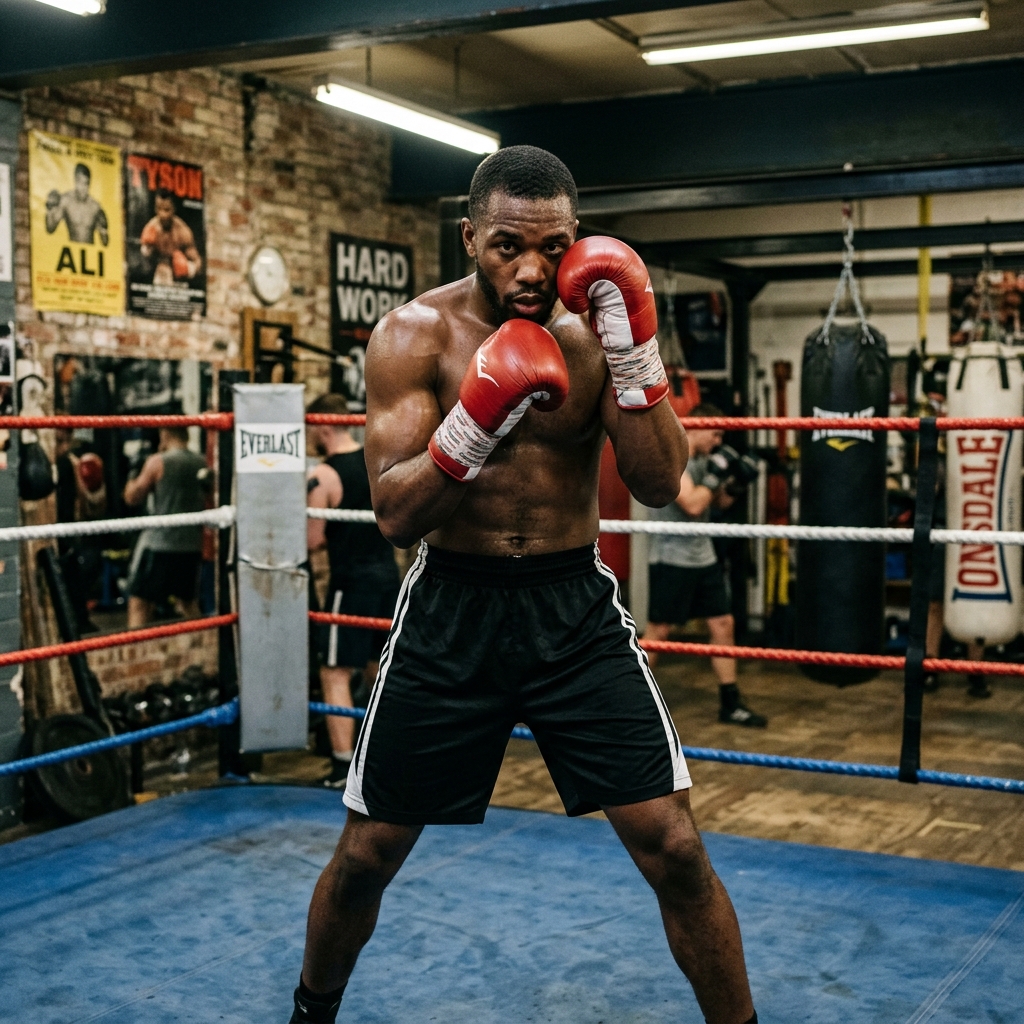
Your power, defense, and mobility all start with your stance. Get this wrong and nothing else works — not the jab, not the slip, and not a clean exit off the center line.
ViralCombatTV is an editorial desk. We compile community consensus, manufacturer spec sheets, and published coaching sources. We do not run an in-house lab or a test fleet. The notes below are a research-desk read of orthodox and southpaw base — not a ring-diary.
Unique angle here: this is the stance-and-base desk, not the footwork-drill library. Keep both URLs: Footwork Drills to Improve Striking in MMA. Timed bag rounds live on Heavy Bag Workout for Beginners. Live contact is a different problem — How to Spar Safely as a Beginner. Rest sits on Recovery for Combat Athletes. If you also roll, start with BJJ White Belt Survival Guide.
Price ranges below are research snapshots from public listings, not live offers.
The Orthodox Stance (Right-Handed)
- Feet shoulder-width apart, left foot forward, right foot back at roughly 45 degrees.
- Weight distributed approximately 50/50 between both feet, slightly on the balls of your feet.
- Knees slightly bent. You should feel springy, not stiff.
- Hands up: left hand at cheekbone level, right hand touching your chin. Elbows tucked to protect your ribs.
- Chin tucked behind your lead shoulder.
- Eyes looking through your eyebrows, not over your hands.
Southpaws (left-handed) mirror everything.
Listing check (stance setup): confirm the floor has enough grip for a 45-degree rear-foot pivot without a running-shoe waffle sole grabbing, and that you can see both feet in a full-length mirror — dance sneakers and thick-cushion trainers share the same “boxing shoes” search card.
The Three Laws of Footwork
For more on this topic, see our guide on Footwork Drills to Improve Striking in MMA.
1. The Lead Foot Leads
When moving forward, the lead foot moves first. When moving backward, the rear foot moves first. When moving left, the left foot moves first. This prevents your feet from crossing, which would leave you off-balance.
2. Maintain Your Base
Your feet should never come closer together than shoulder width. Every step should restore your stance to its original width. Narrow feet = easy to push over. Wide feet = slow to move.
For more on this topic, see our guide on How to Wrap Your Hands for Boxing (Step-by-Step with Common Mistakes).
3. Small Steps, Not Big Steps
Short, quick steps keep you balanced and ready to punch or defend at any moment. Long lunging steps commit your weight and leave you vulnerable.
The Pivot
The most underrated footwork technique. Planting your lead foot and pivoting 90 degrees off the center line takes you out of your opponent’s line of fire while creating an angle for a counter attack. It is the footwork technique that separates competent boxers from beginners.
Use a full-length mirror or a phone on the floor to check that the rear foot stays at roughly 45 degrees after the pivot. If the heel collapses inward, you are spinning on a running-shoe waffle, not pivoting on a boxing base.
How This Stance Shows Up on the Bag and in Sparring
A correct stance is the quiet half of the 20-minute clock on Heavy Bag Workout for Beginners. If the rear foot is square, the cross has nowhere to rotate. If the lead foot is too narrow, hooks pull you off the bag.
In the gym, the same base is what keeps you from crossing your feet when someone steps in. Read How to Spar Safely as a Beginner before you add contact — stance mistakes get louder when another person is moving.
Common Mistakes
- Flat feet: Stay on the balls of your feet. Flat feet are slow feet.
- Hands dropping: Fatigue causes your hands to drop below your chin. This is how you get knocked out.
- Leaning forward: Keep your weight centered. Leaning forward makes you easy to counter.
- Crossing feet: Never cross your feet while moving. You will trip or be unable to react to a punch.
Gym vs Home, and When to Skip the Buy
Stance is a floor-and-mirror problem, not a shoe-catalog problem. Most beginners already have a pair of trainers that will do for shadowboxing.
Gym wood or rubber: wear whatever the coach allows that does not grab and dump the ankle on a pivot. Then film one round of step-drag, not a new SKU.
Home carpet or puzzle mat: skip a “stance trainer” gadget. Tape a shoulder-width box on the floor and check the 45-degree rear foot in a full-length mirror.
When to skip the buy
- Skip boxing shoes for week-one shadowboxing if existing trainers already let you pivot without the waffle sole grabbing.
- Skip a paid stance-trainer platform or balance ball marketed as “boxing base.” Shoulder-width tape on the floor is the drill.
- Skip a second pair of 10oz bag gloves to “feel faster in stance.” Gloves do not fix a square rear foot.
- Skip stacking this drill on a sore ankle. Rest sits on Recovery for Combat Athletes.
This page does not add a shopping cart. Funding note for the rest of the desk: tagged Amazon links use viralcombattv-20 only. See How We Make Money.